Building your own and overclocking it is very risky.
Not if you can read for comprehension and exercise sound judgement.
By definition when you overclock if you do it right, you are pushing your system to its limit of performance, stability and heat tolerance.
Incorrect
- OC isn’t always “pushing” as it is typically only utilising what is already avalable
- OC is about finding performance limits that already exist but aren’t relied upon en masse by the OEM
- My OC components run cooler than stock
- I’m retired military and have the 100% fully-mission-capable mindset; I want neither my or my wife’s hardware to fail during operational use—ever!
When you exceed your systems specifications, you risk damaging its components.
Systems don’t have specs: components do. Do you know your components’ specs? If you did, you would know that all but extreme OC remains within manufacturer-published specifications. Intel-published specs for the i5-2500k are 1.52v and 100C TJmax—most OCs go nowhere near that (mine is <1.4v, energy-saving ON and 66C max under sustained full load with a 27.2% OC).
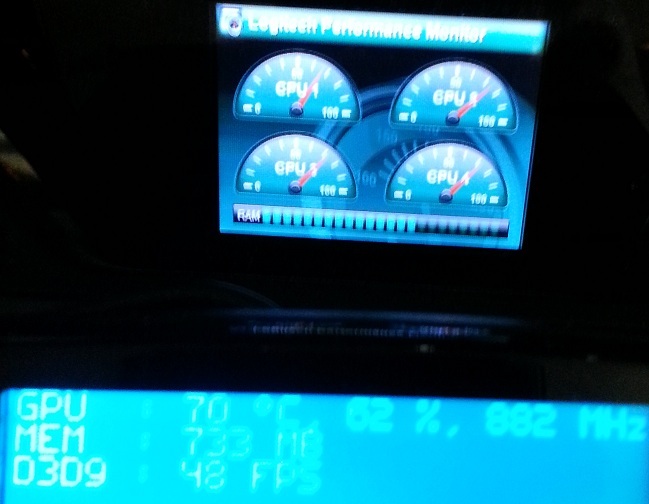
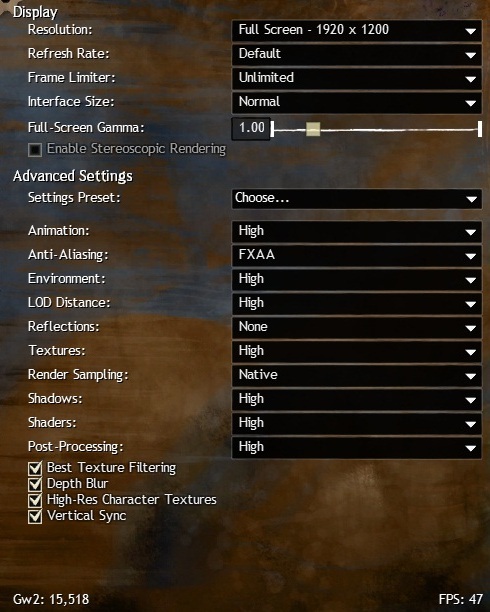
nVidia specs for the GF110 state 1.1v (1.0v is as-delivered) and also 100C; I’m at 1.05v, 72C max but I’m at 14.2% OC and my card runs GW2 more smoothly than at stock (which I think 1.0v is too low and more who run GW2 are discovering this and I’m beginning to think stock voltages for the 600-series cards is off the mark).
There is no way to avoid the risk if you build your own and overclock.
Yes there is: read for comprehension and sound judgement; risk comes from doing foolish things and that alone
In my experience, Alienware and Falcon-Northwest are only slightly more costly than buying high quality components and building it yourself.
No, it isn’t: I paid literally half for mine and it’s a better machine. I can also troubleshoot and fix it more effectively because I built it.
I even sell said better machines for less than retail and still make a few bucks for myself (and it’s also how I get to play with hardware without paying for it).
When you guy a pre-configured, factory overclocked system, you are letting falcon-nw and aw take the risk for you.
You think they are taking risks with hardware?
They can afford to buy components in massive bulk and test them. They run components through a process called binning. They stress-test components and then put them in separate stacks or bins based on how well they dissapate heat and perform. Can you afford to buy components by the thousands, test them all, keep the good ones and throw out or return the bad ones?
This was true many, many years ago (when you bought a CPU based on the plant where it was fabricated—Malaysian FTW) but not now. Every 2500K I’ve built runs at 4.2GHz at stock voltages with an aftermarket air cooler and I pound the crap out of hardware—keeping everything at 100% utilisation overnight—before I call it ‘good’, which is far shorter than it used to be with 2-3-4-86s: 72-hour burn-in. The point is that the fabrication process has improved exponentially.
I am here to play GW2, not spend all my time tweaking my system so that I can get a few more fps out of it.
I would say you spent more time arguing against DIY OC than I did OC my system. OK maybe not but I spent a week building/tweaking an i5 platform I could use for a few years and to sell. I’ve sold enough in a few months (I only do this as a hobby and for people I know, not a business) that it paid for my and my wife’s PCs and nobody is complaining that their computers are crashing, underperfoming, or locking up—an ounce of prevention.
I am happy to let aw do that for me.
There is nothing wrong with that. Also, there is nothing wrong with DIY either and, frankly, I do a better job than AW or FNW as mine hit the trifecta: faster, better, cheaper.
i5-2500K 4.2GHz | 8GB Mushkin DDR3-2133 | Gigabyte Z68XP-UD4, GTX580-882/2033
Crucial m4 128GB SSD (64GB SRT cache) | WD 2TB 2002FAEX | Antec Twelve Hundred
When I was your age, I could outrun a centaur…until I took an arrow to the knee